Every Early Autumn, we drive from Beijing to Shanghai and back forth. On the trip just finished this year, we chose Rizhao as our stopover.
Rizhao is a coastal town located in the eastern part of Shandong Province, named after being the earliest place where the sun can be seen rising from the sea level. Although it is not large in area, it has a very good coastline and has become a venue and training base for Olympic water sports events. It has also been rated as a livable city by the United Nations.

This is our fourth time visiting this small town, but we still love it very much. Especially after long-distance driving on highway, this is the most comfortable destination for taking a short resting and relaxation. Not to mention the abundance of seafood on the streets.
However, this time, to our surprise, we discovered a tofu cooking method that we had never thought of before, and its deliciousness remains unforgettable to this day.
We hadn’t planned much—just a quiet walk along the beach. Unexpectedly, we bumped into a local restaurant with the word Doufu (tofu in Chinese) in its name. With great curiosity, we decided to have lunch here.
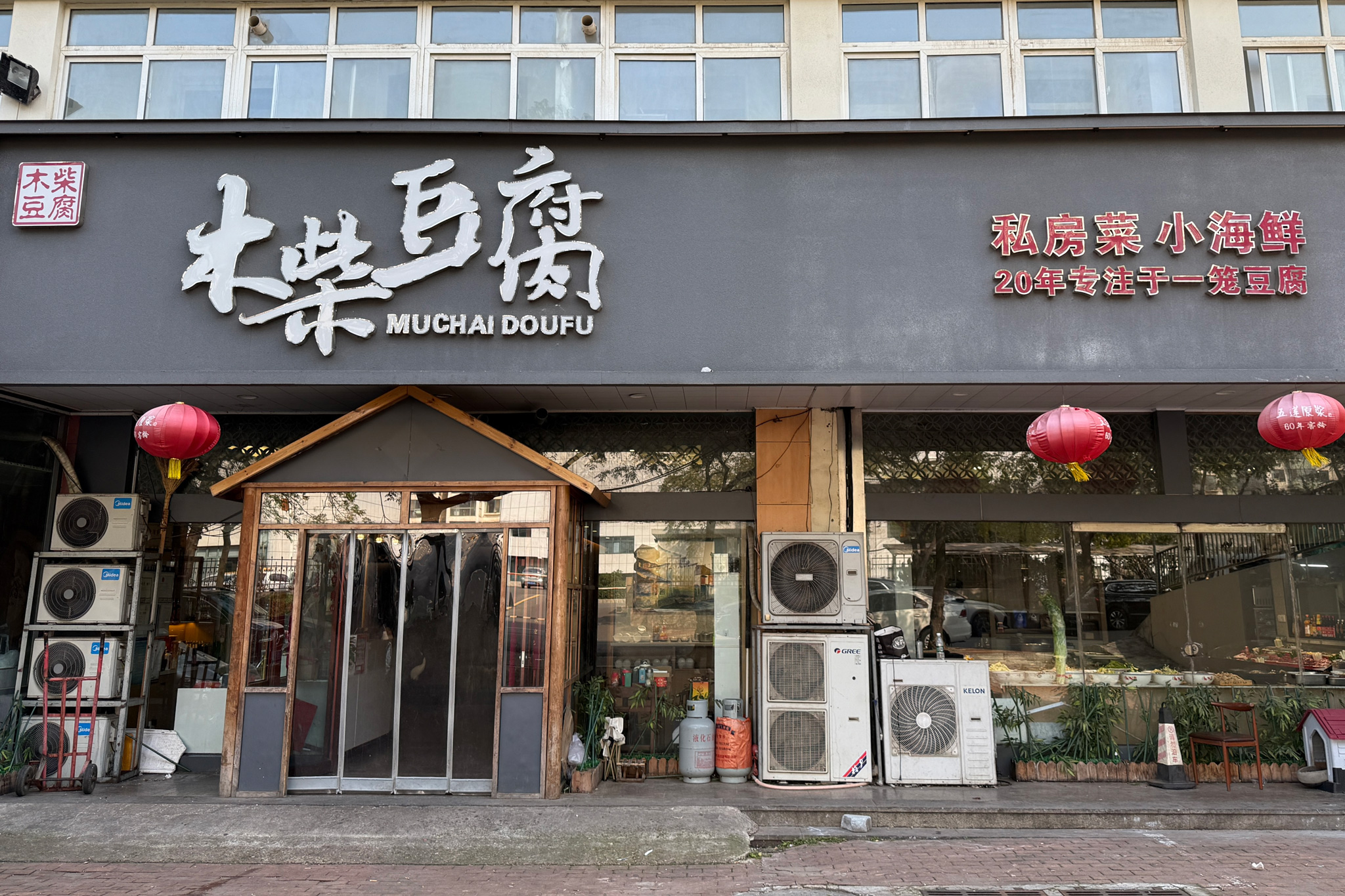

Stepping inside, we firstly saw a large table filled with all kinds of fresh seafoods—so many varieties that we couldn’t even name them all. An elderly chef was selecting some chopped fishes and putting them into a large bowl.
It made us even more curious: why would a seafood restaurant be named after tofu? What exactly was this ‘Muchai Tofu’ (sounds meaning firewood Tofu)?
I asked the waiter and she definitely told us that of course there was tofu to eat. So we ordered a Muchai tofu since it was the signature dish, along with a braised monkfish and a plate of stir-fried greens.
When the tofu arrived, we let out a small cheer—not just for its serving form, but also for its big size.
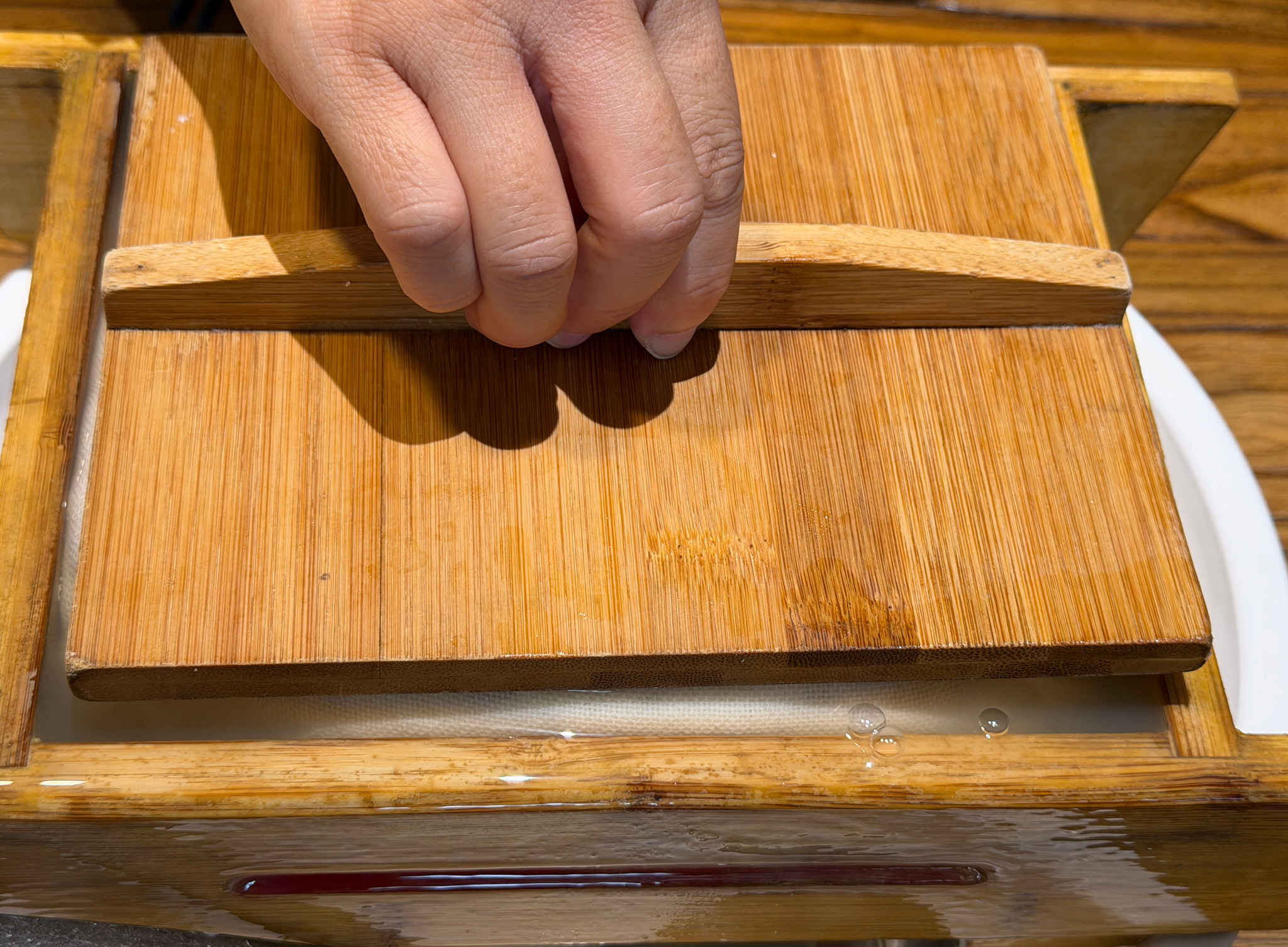
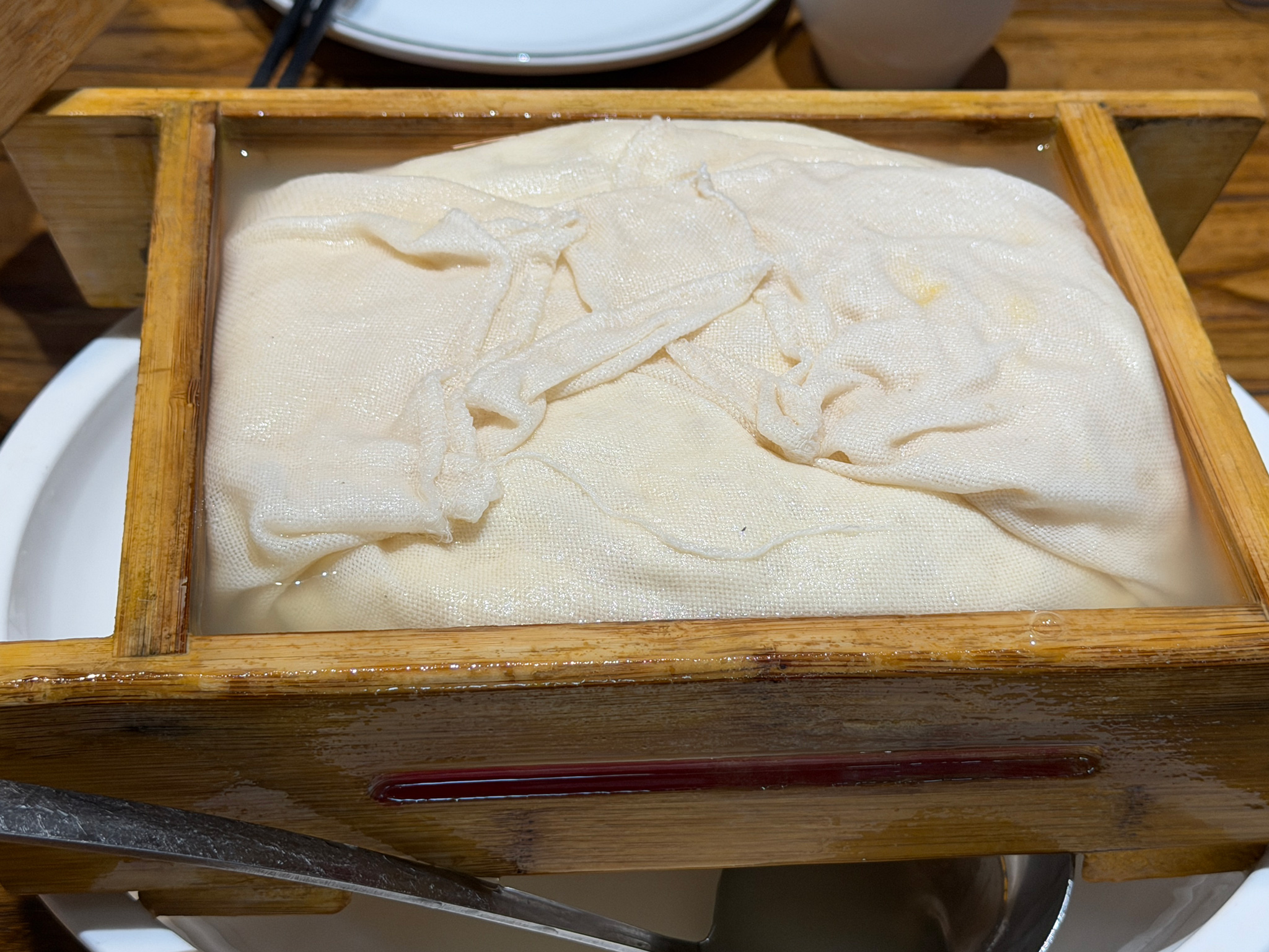
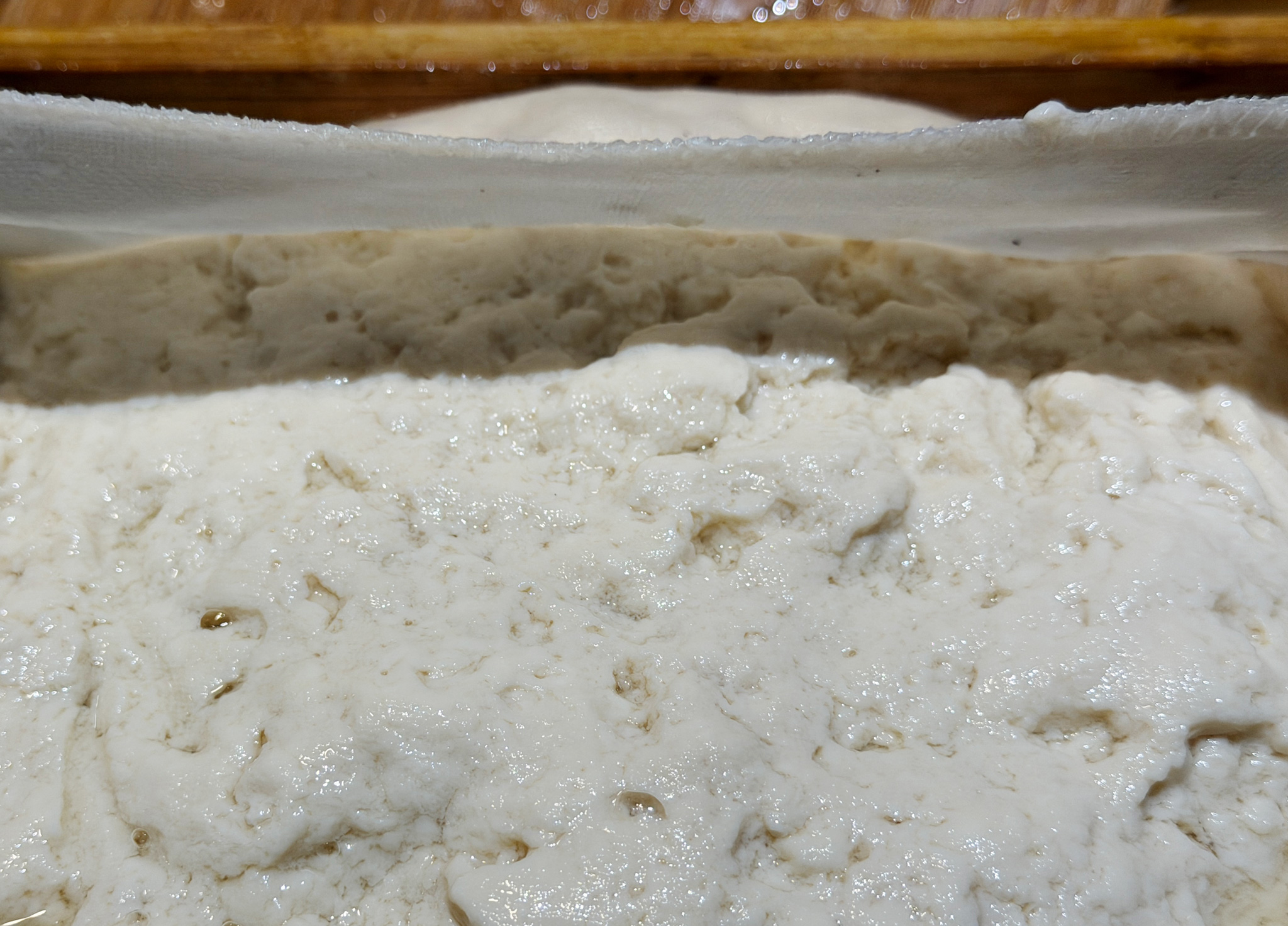
Lifting the wooden lid, a gentle aroma was smelt. A large block of fresh, warm tofu wrapped in cotton cloth, tender and fragrant.
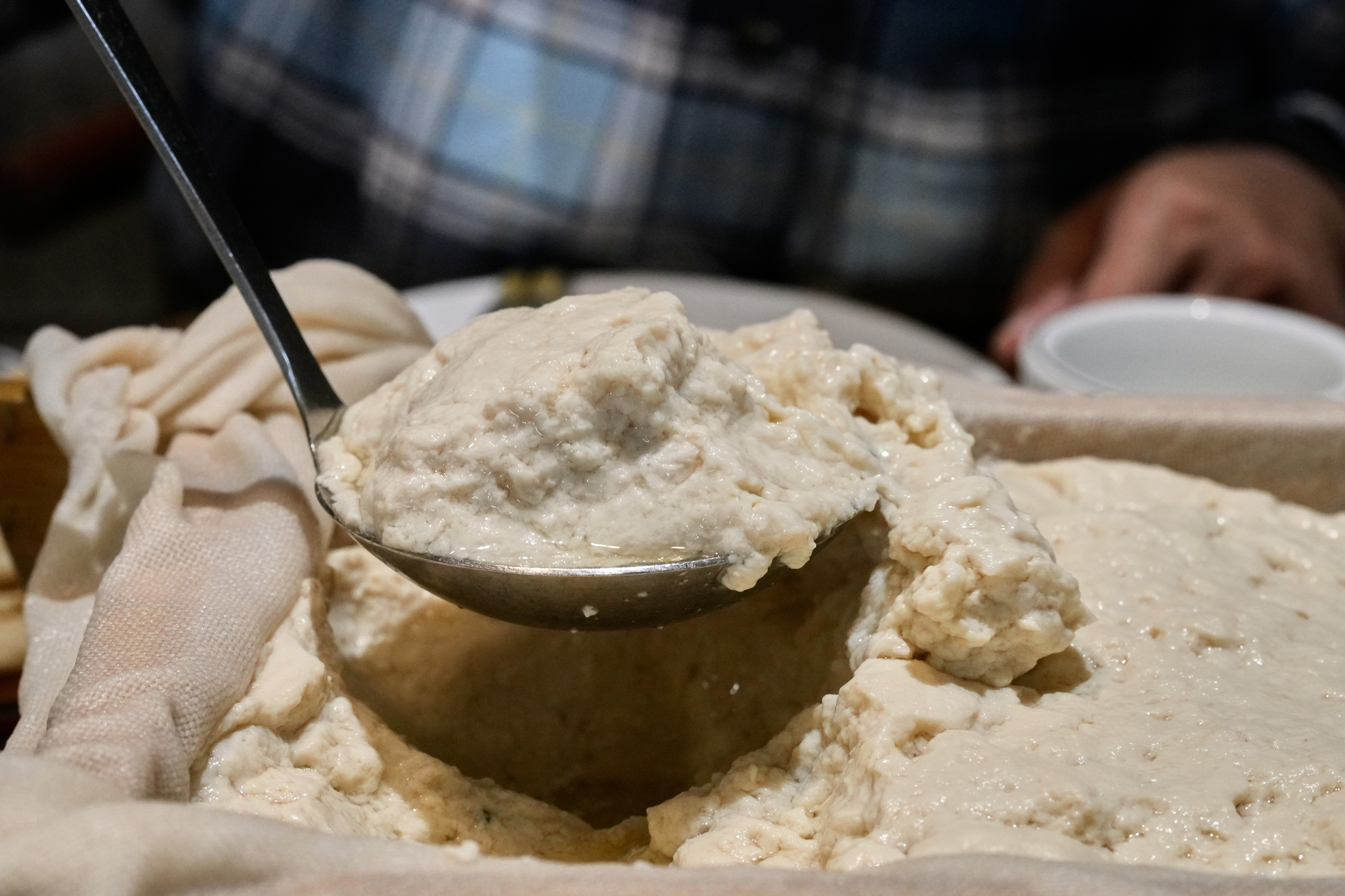
When we make tofu by ourselves at home, we also use a small wooden box as mold. After tofu is fully curdled and pressed, we take out tofu and leave the wooden box in sunk for cleaning later. Had never thought of to serve fresh tofu warm in this way. Why!
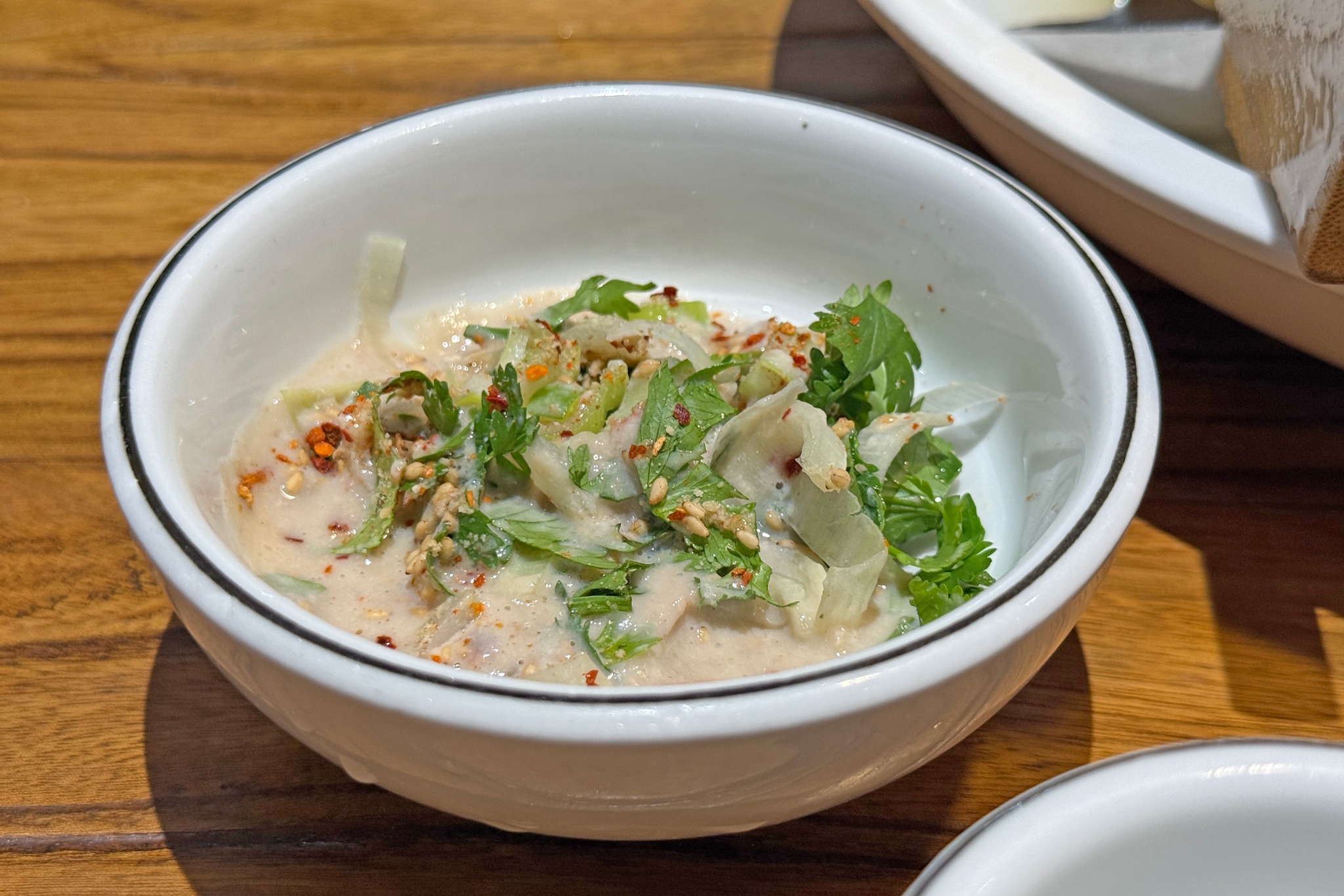
Warm tofu is indeed delicious, as soft as egg custard and as creamy as cheese. The way of eating is also very distinctive, completely seaside style.
There was a self-serve sauce station, where the local favorite sauce was crab paste, to which you could add chopped scallions, sesame paste, and other condiments, simple and rustic.
At the end of the meal, we found an even better way to enjoy it.
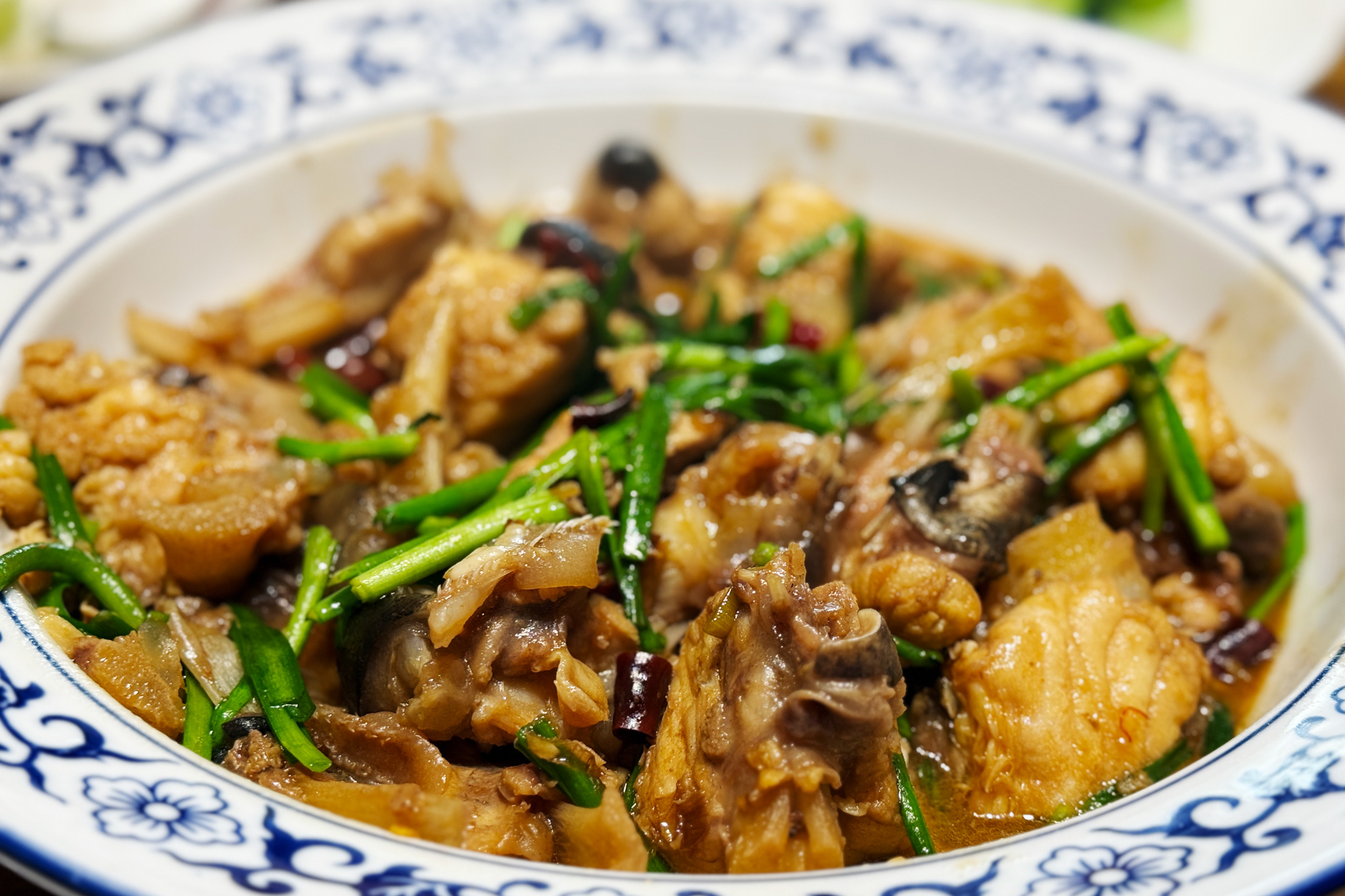
Then we have to talk about delicious braised monkfish. The chef had generously added a large piece of monkfish liver—often called the ‘foie gras of the sea’. It’s lower in fat, higher in protein, and needs only a touch of leeks for flavor.
After we had devoured the fish and liver, plenty of rich broth remained. On a whim, we spooned in some tofu and let it soak in the sauce for a moment. The creamy, delicate and briny tofu was even better than the fish itself!
At that moment, we suddenly understood why the seaside restaurant only choosed Tofu in its shopsign and as the signature food. Perhaps every seafood dish here is perfectly paired with this silken, cheese-like tofu. And it’s why that makes the restaurant stand out among countless seaside eateries.
It also brought to my mind a line from the famous Chinese cookbook Suiyuan Shidan:
“When tofu is done well, it surpasses swallow nests.”
If you ever pass through Rizhao, I highly recommend a visit to try this tofu.
Or, if you’re cooking at home, you might try this approach yourself— let the soft tofu mingle with a savory seafood stew. You’ll taste what that the old saying about tofu cuisine truly means.
 A Yummy Lab in Joy Garden
Leave a comment